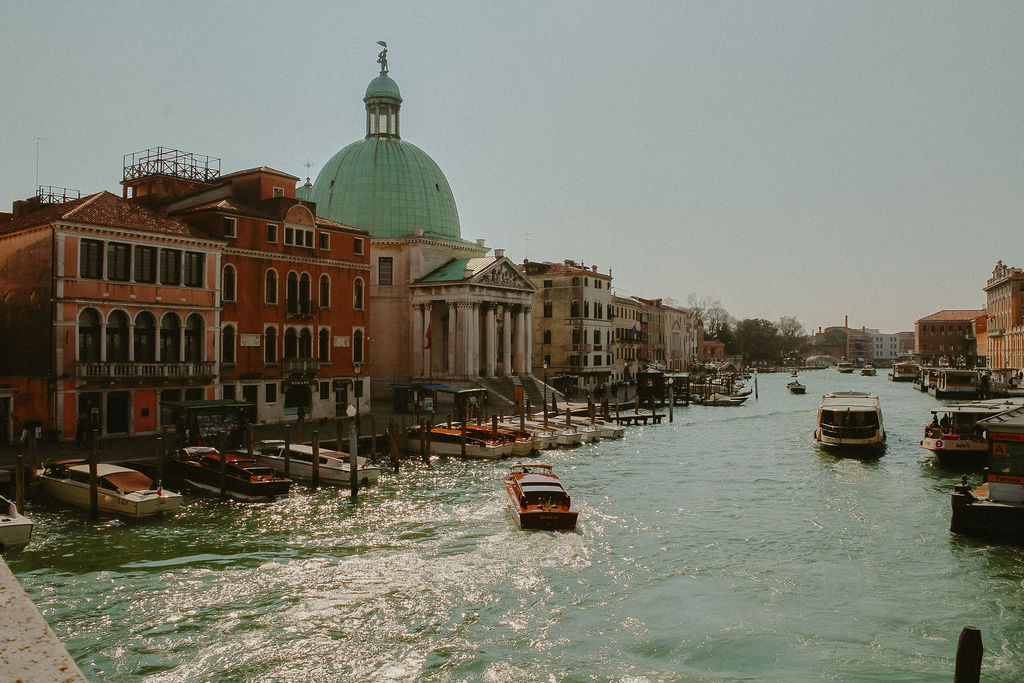
This Venice Italy Travel Guide covers everything you need to know before visiting this romantic city for the first time.
Easily one of my favorite destinations, Venice offers an incredible experience whether you’re visiting for a festival, honeymoon, or simply to escape to a Venetian paradise.
Venice Italy Travel Guide table of contents:
- How to Get to Venice
- Best Time to Visit Venice
- Where to Stay in Venice
- How to Get Around Venice
- Where to Eat in Venice
- Things to Do in Venice
- Venice Summary & My Guide to the Dolomites
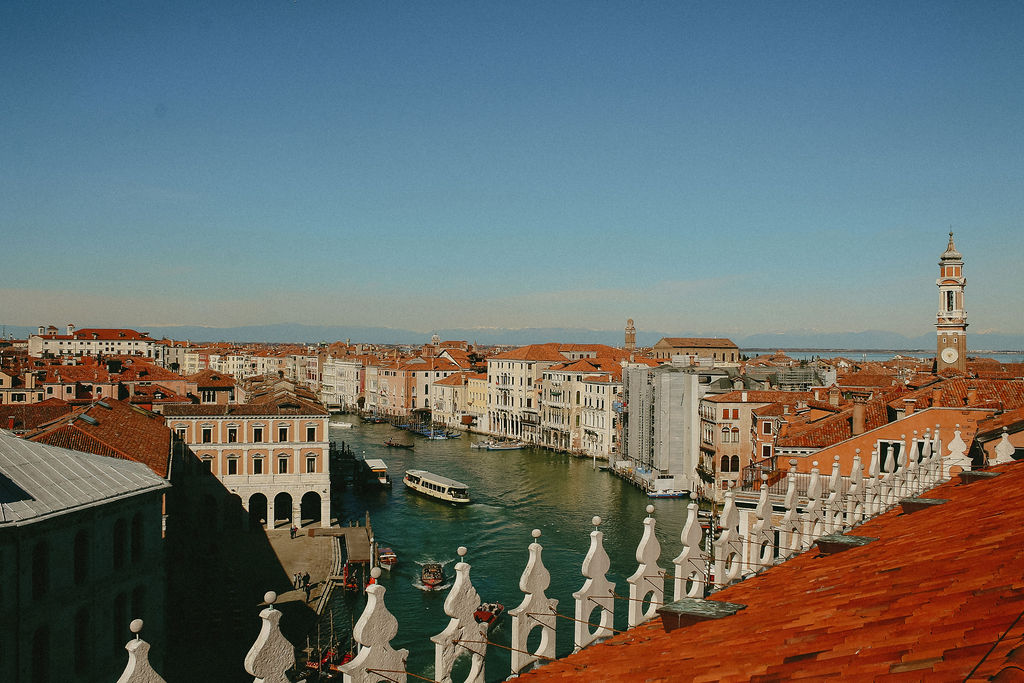
Venice Italy Travel Guide: How to Get to Venice
One of my favorite things about Venice is that there are no cars. This makes your arrival feel a little less traditional than at most destinations.
Most international travelers arrive via Venice Marco Polo Airport (VCE). From there, you can take a water taxi or the Alilaguna ferry to the city.
If you take the ferry, you can book a transfer online or purchase a ticket upon arrival, though expect a line and a short wait. Tickets typically cost between 10 and 30 euros per person, depending on whether you choose a one-way or roundtrip. Alternatively, you can book a water taxi for your airport transfer, which costs closer to 150 euros per trip.
If you’re coming from another city in Italy, you can take a train directly to Venezia Santa Lucia, which sits right on the Grand Canal.
Venice Italy Travel Guide: Best Time to Visit
I’ve had the pleasure of visiting Venice in both winter and summer, but each season has its pros and cons. Since you’ll be exploring the city mostly on foot, I recommend planning your trip for spring or fall.
- Best Weather (Spring and Fall): March-April and September-October will bring more mild temperatures for exploring the city.
- Less Expensive (November-February): Excluding Venice Carnival (Carnevale di Venezia) dates, accommodation and travel are cheaper during the winter months.
- Summer Peak (July-August): July is the hottest and most expensive time of the year. I visited then and didn’t enjoy it as much as February!
- Flood Season (October-March): Acqua Alta can occur during winter months, with November being the highest risk.
My favorite time to visit was February, right after Carnival ended. This time of year offers fewer crowds, mild weather (a long-sleeve shirt during the day and a light jacket in the evening), and an overall more enjoyable experience.
If you’re visiting Venice and the surrounding towns (Murano, Burano, etc.) between April and July and aren’t staying in the city, you’ll need to pay an access fee (children under 14 are exempt). The fee costs about 5 euros per person if booked in advance, or around 10 euros if paid last minute.
Alternatively, if you’re staying in the city, you won’t have to pay the access fee. However, a separate tourist tax of 1 to 5 euros per night will be added to your reservation.
Venice Italy Travel Guide: Where to Stay
Since most of the city can be explored on foot, there are many areas you can stay in that won’t feel far from the sights and activities you want to experience.
I’ve stayed in two different hotels during my visits, and both provided central access to everything:
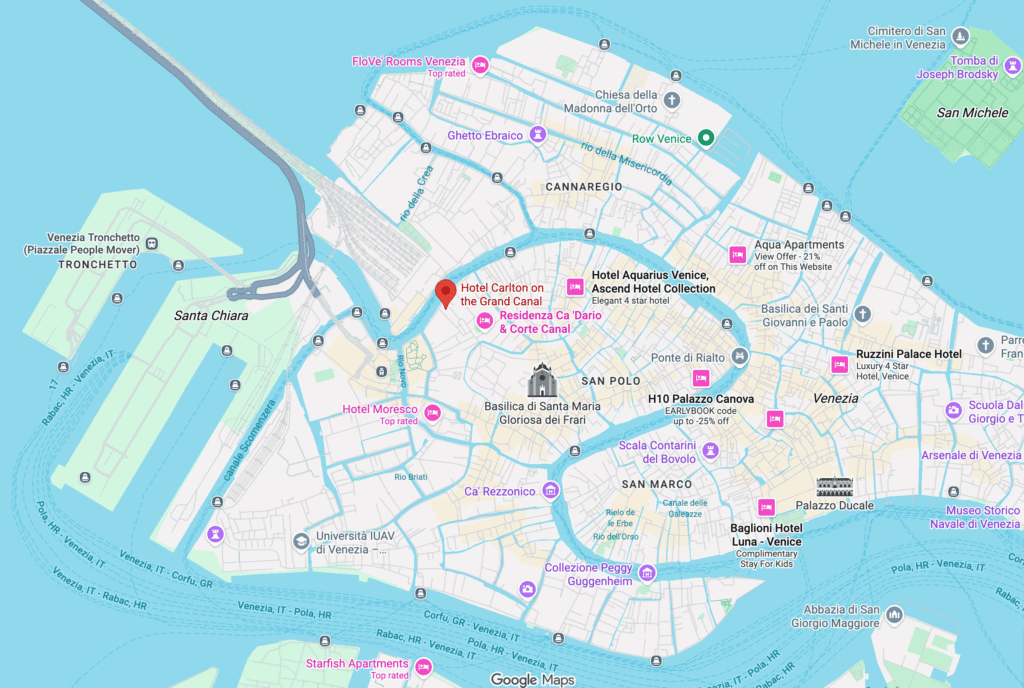
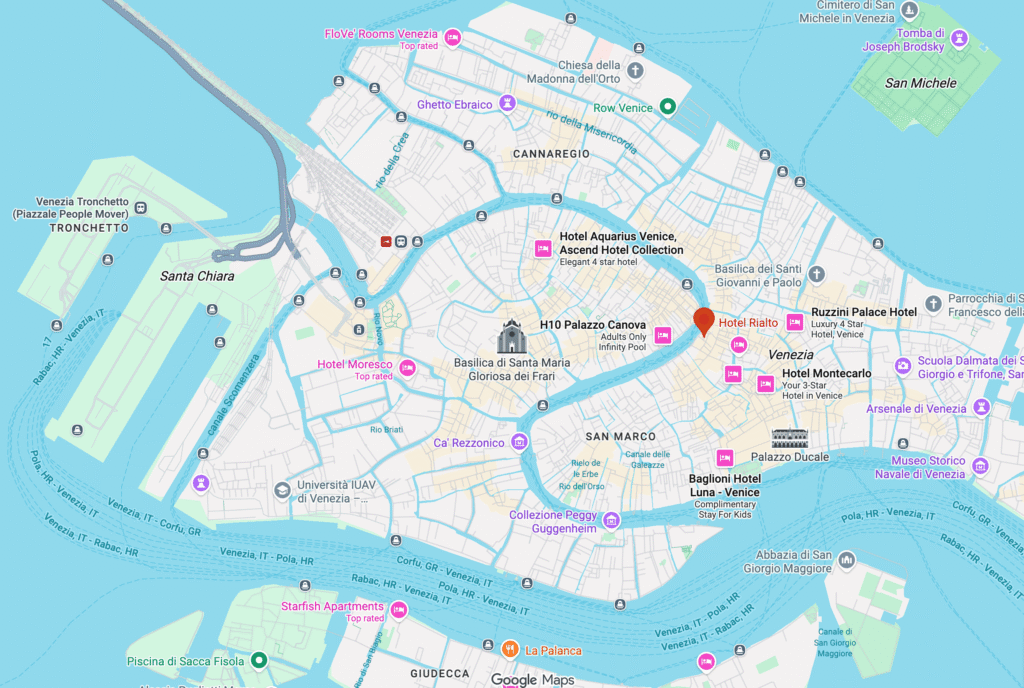
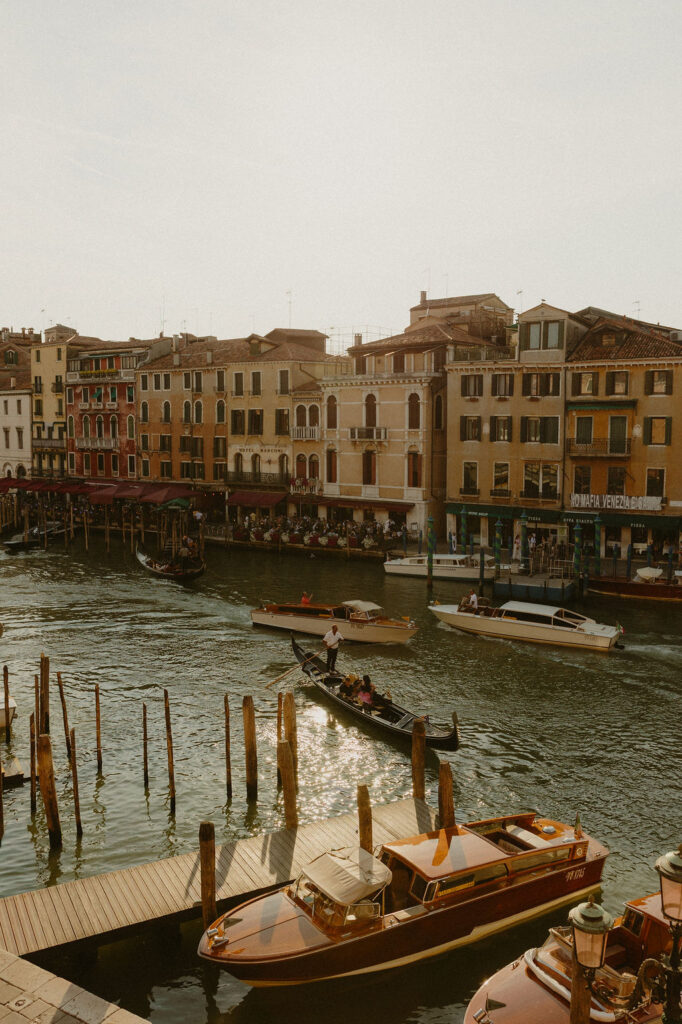
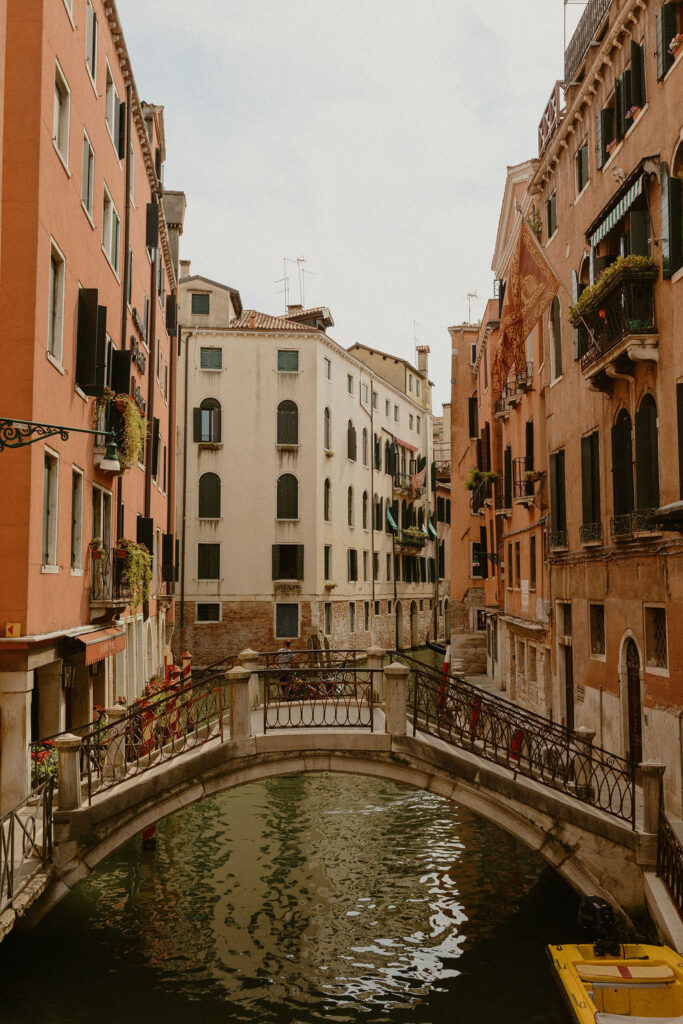
Left: Hotel Carlton on the Grand Canal Right: Hotel Rialto
Hotel Carlton on the Grand Canal
Located right across from the Santa Lucia train station, Hotel Carlton was the perfect home base for my February trip. Since Venice is very walkable, I could see all the sights on foot, easily hop on a train to Pompeii, and meet tour guides right at the front steps of Santa Lucia.
Hotel Rialto
For my second visit to Venice, I wanted to stay in a different part of town. Hotel Rialto was a perfect location, right next to the Rialto Bridge. It’s just a short walk to Piazza San Marco, where you can grab a drink at Caffè Florian and take in the sights of Saint Mark’s Basilica (Basilica di San Marco).

Venice Italy Travel Guide: How to Get Around Venice
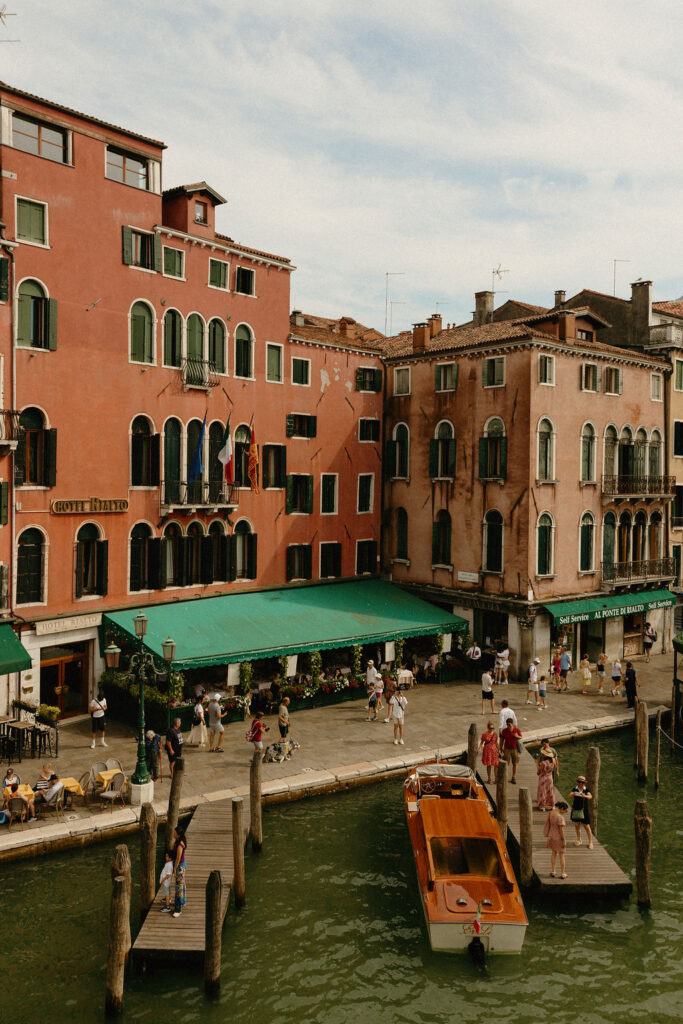
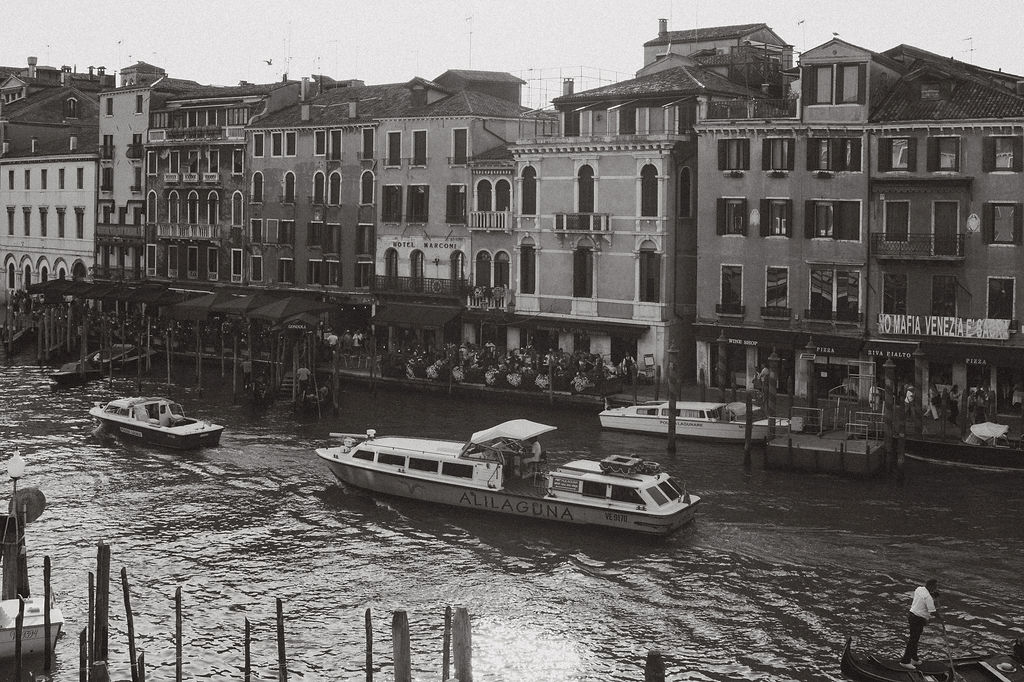
Since there are no cars, there are a few different ways to get around the city:
- Walking: My favorite way to explore the city. Venice is compact, so wandering through narrow streets and over canals is half the fun.
- Vaporetto (water bus/ferry): For longer distances, take the Vaporetto along the canals. Routes connect major areas like the Grand Canal, train station, and airport. You can purchase single tickets or multi-day passes at Venezia.net.
- Water Taxi: These luxurious wooden motorboats are the priciest option, but they’re perfect for quick, direct trips—especially if you have a lot of luggage. You can book them online or try to get one directly on the Canal.
- Gondolas: Better for sightseeing than getting around, but you should definitely ride one at least once!
Venice Italy Travel Guide: Where to Eat
Venice’s cuisine will not disappoint, from fresh seafood to handmade pasta and my favorite—tiramisu. These are some of my favorite places to eat in the city:
Farini

First on my list because I had to go twice! I first visited in 2020 and my husband instantly fell in love. So much so that when we went back this past July, we were thrilled to stumble upon it again. It’s a small spot, perfect for a quick lunch, and be sure to visit one of their locations that serves pizza.
VizioVirtù Cioccolateria
Not far from the Rialto Bridge is Vizio & Virtù, a woman-owned chocolate shop. We tried it on one of our city tours, and it was exceptional. Stop by for a quick espresso, hot chocolate, or some of their delicious chocolates.
Caffè Florian

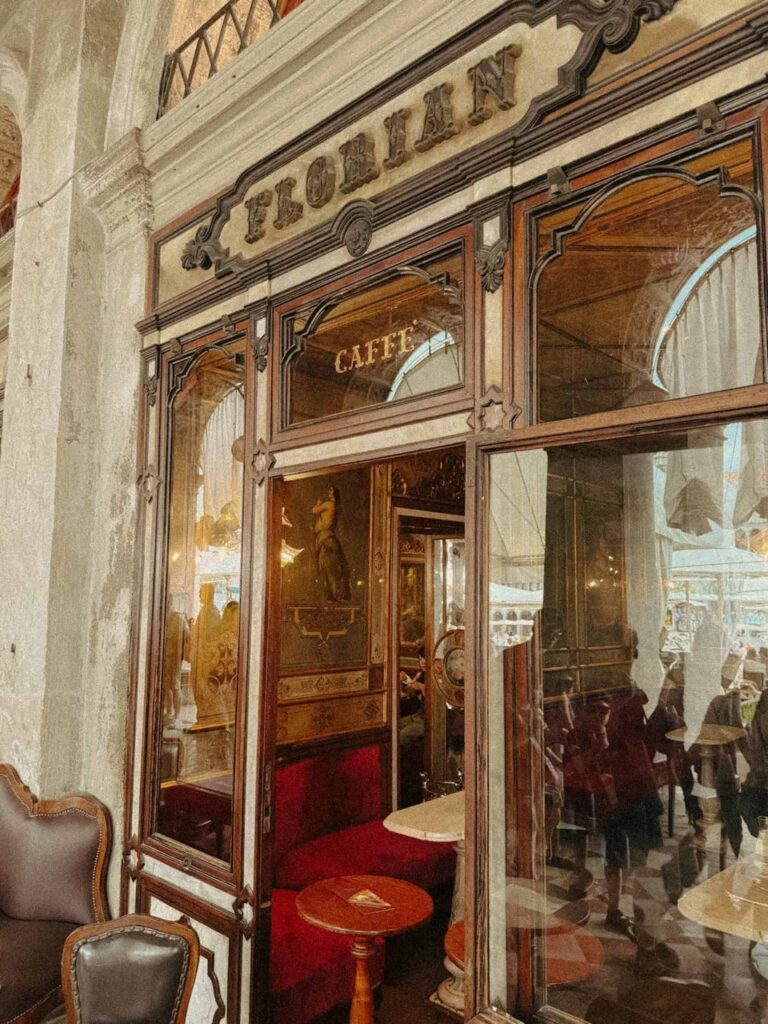
Another spot I visited on both of my trips to Venice, this cafe is located right in Piazza San Marco. It’s absolutely stunning, with gold accents from floor to ceiling and rich, royal-red seating. Offering delicious small bites, sweets, and beverages, it’s a must-visit.
Dal Moro’s Venice | Fresh Pasta Restaurant
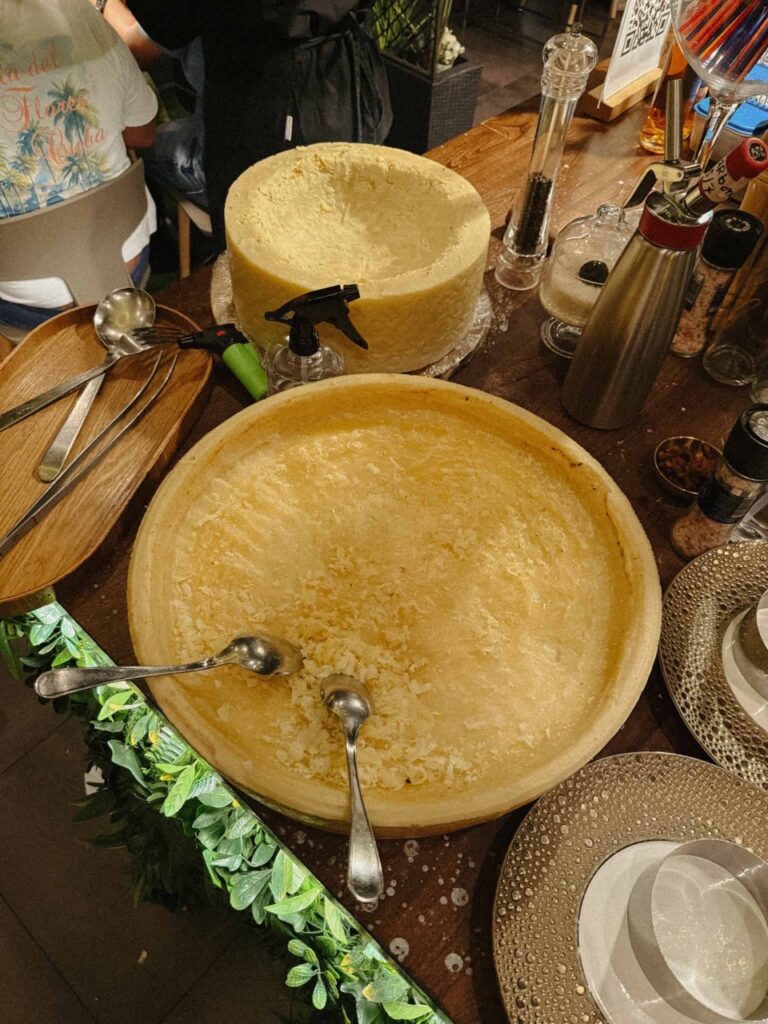
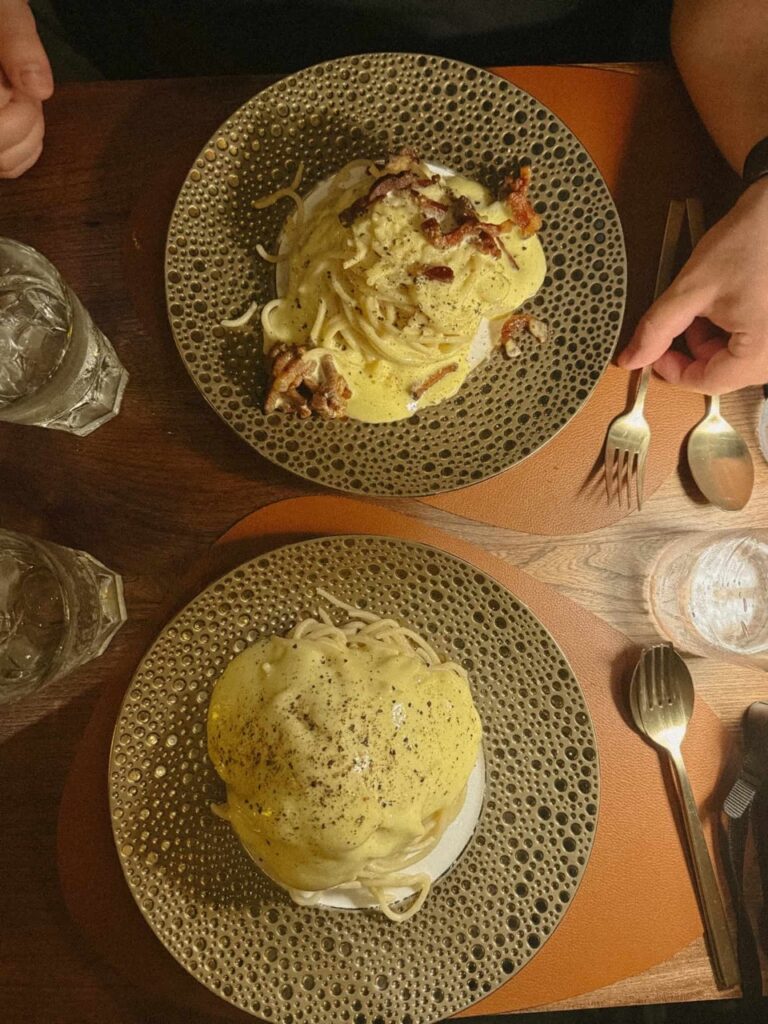
I absolutely love carbonara and cacio e pepe, so when I heard this place makes its pasta fresh—sometimes even from a cheese wheel—I knew I had to try it. If you love pasta as much as I do, it’s definitely worth a visit.
When it comes to picking restaurants, it’s hard to go wrong in Venice. You’ll never be disappointed by an afternoon stroll with gelato or by popping into a spot for a spritz and cicchetti (cicchetti are like tapas—small finger foods).
Tips for coffee: Italian coffee culture is much more “on the go,” so espresso is usually consumed standing at the counter, which is often faster and cheaper than sitting down. It’s more typical to order milk-based coffees, like cappuccino, in the morning, often paired with a sweet pastry.
Venice Italy Travel Guide: Things to Do
There are so many amazing things to do in this city, from wandering the streets and visiting nearby islands to cruising along the canals in a gondola. Here are my top recommendations:
Explore the Jewish Ghetto of Venice
The 1516 Venetian Ghetto is home to five synagogues, each representing the different ethnic groups that settled there. You can take a guided walking tour to learn about the history and community of the area.
Visit Burano, Murano, and Torcello
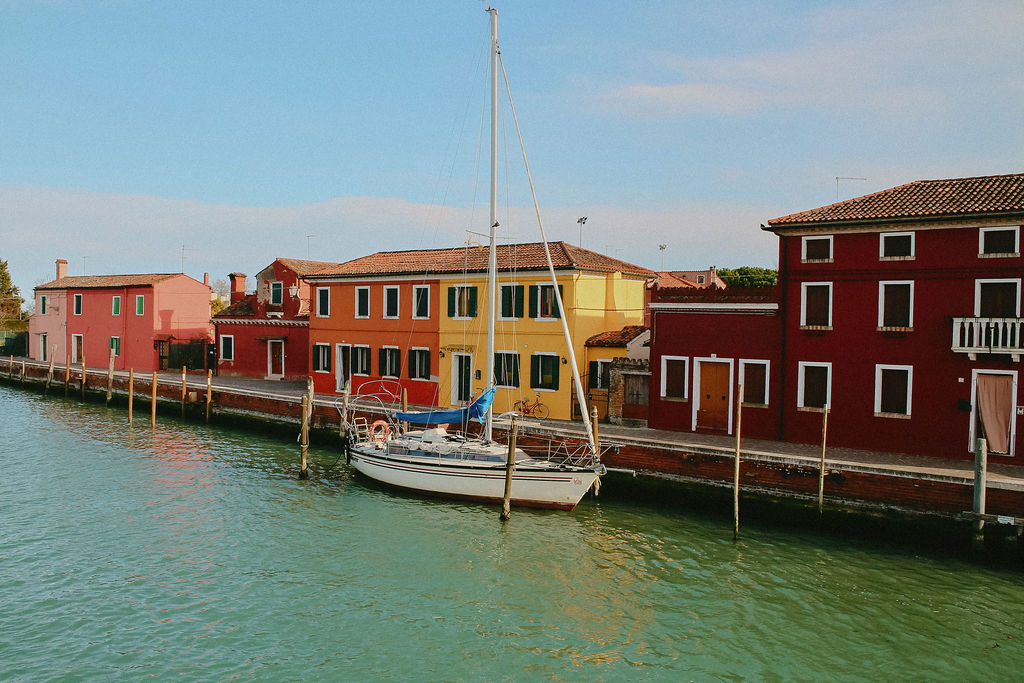
Burano is known for its vibrant, colorful buildings and handmade lace. Murano is the island of glassmaking, and Torcello is one of the earliest settlements in the Venetian Lagoon. All three islands can be visited on a day trip from Venice.
Ride a Gondola (at least once!)
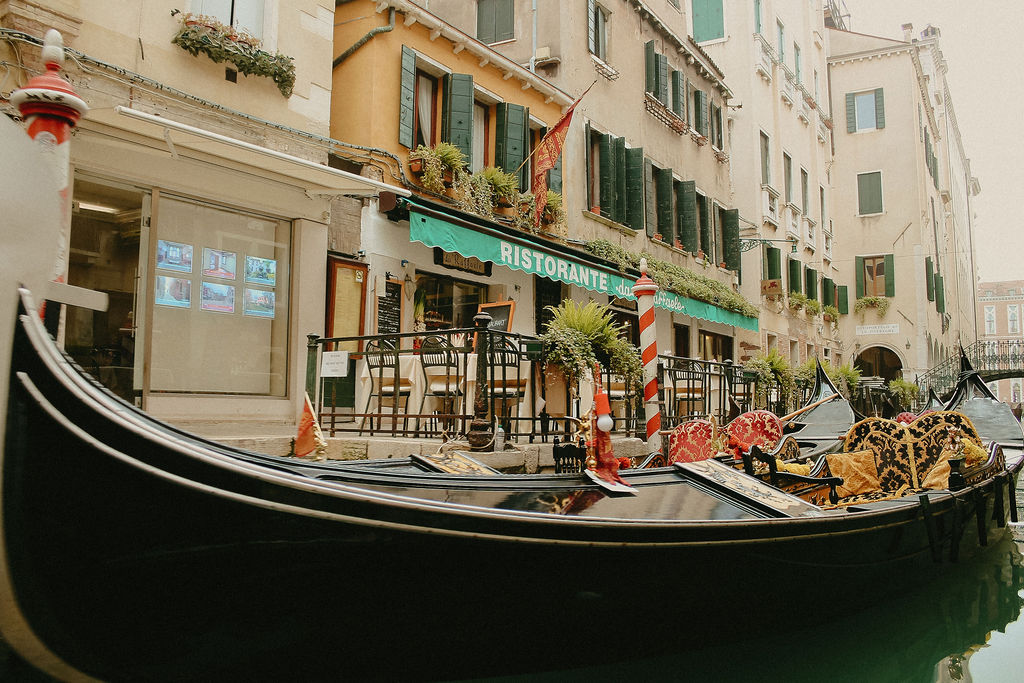
You can’t visit the city without taking a gondola ride along the canals. Prices typically range from around 80 to over 100 euros, depending on the length of the ride and the time of day.
Go During a Festival
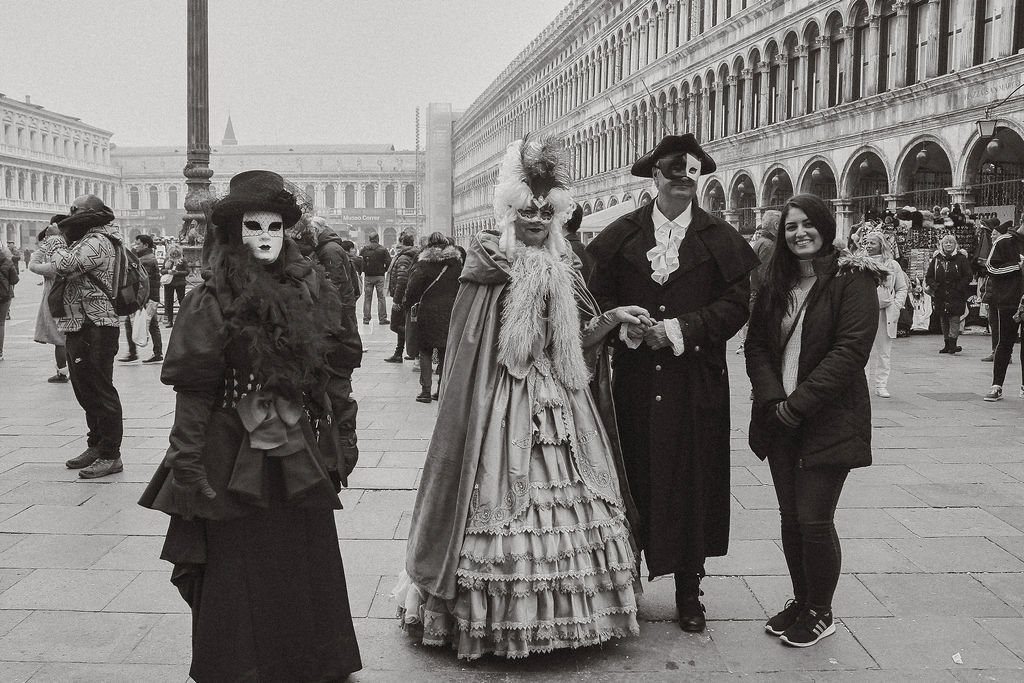
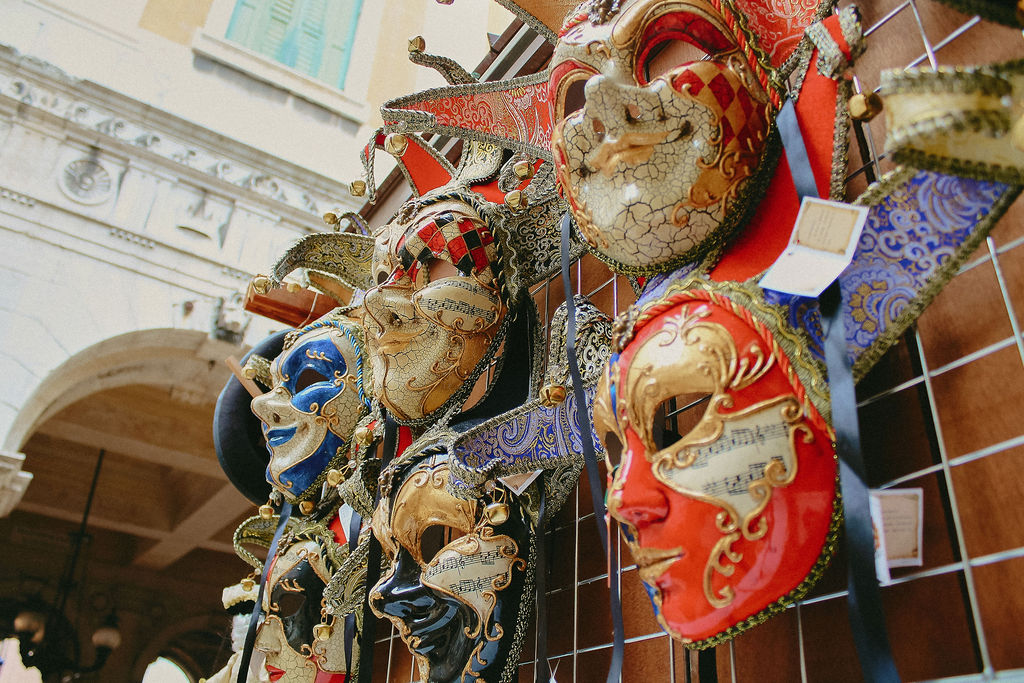
The Venice Carnival begins in late January or early February and continues through the first half of February, ending the day before Ash Wednesday. During this festive period, locals wear elaborate costumes and masks.
Get Some Books at Libreria Acqua Alta

A cozy local bookstore filled with vintage titles and home to resident cats.
Visit a Church
Explore some of Venice’s local churches, including Saint Mark’s Basilica, Basilica di Santa Maria della Salute, and Basilica dei Santi Giovanni e Paolo. There are more than 100 churches in the area, and Saint Mark’s Basilica, located in Piazza San Marco, is one of the most popular sights to visit.
Take a Tour
There are many tours you can take in the city, including sightseeing tours to the nearby islands, food tours, and art and history tours. I highly recommend taking a food tour!
When deciding what to do during your stay, consider whether you want to relax in the heart of the city, waking up to sip an espresso each morning, or be constantly on the go, jetting off to nearby islands with a packed itinerary.
Venice Italy Travel Guide: Summary
There is no doubt that Venice is one of my favorite places to visit. With a never-ending list of things to do and afternoons spent slowing down with a spritz and cicchetti, it truly is a must-visit destination.
Venice is also a great starting point if you want to explore other parts of Italy. I flew into Venice for my trip to the Dolomites and spent some time exploring the city before renting a car and driving to the Alps—another one of my top favorite destinations so far.
You can check out my blog on the Best Places to Visit in the Dolomites—maybe it will inspire you to head to the Alps after enjoying Venice’s canals and a spritz.
If you’re interested in going to Venice and want an amazing travel guide, I highly recommend Cally at Bliss Honeymoons. She helped prepare me for my first visit to the city, which gave me the confidence to plan a return trip on my own.
Click here to explore more on Verona, Italy, or here to return to the blog homepage.
Website: Daniellewilliamsphotography.com
Socials: Instagram


